
National Electrical Code 2023 Basics: Grounding and Bonding Part 1
The basic reasons for grounding or not grounding the electrical system and the various types of system grounding, as well as the practices commonly used to ground electrical systems are discussed.
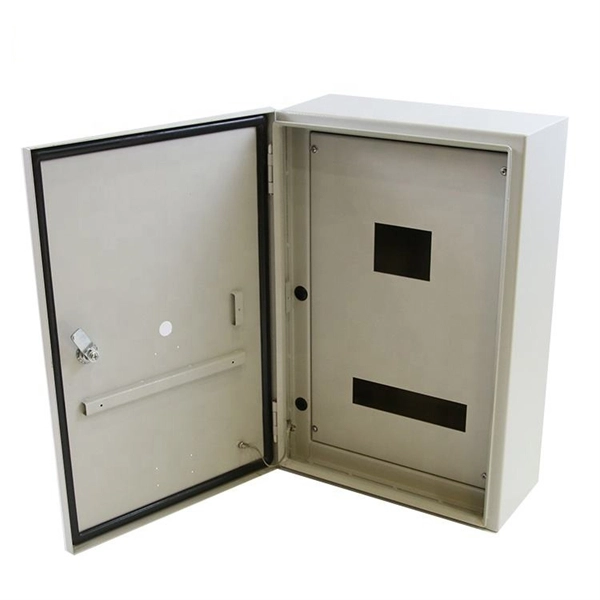
DISTRIBUTION BOX
Each DISTRIBUTION BOX and controller must be grounded. On the US market, a 5.26 mm 2 (10 AWG) ground wire must be used, and in all other markets a 6 mm 2 must be used.
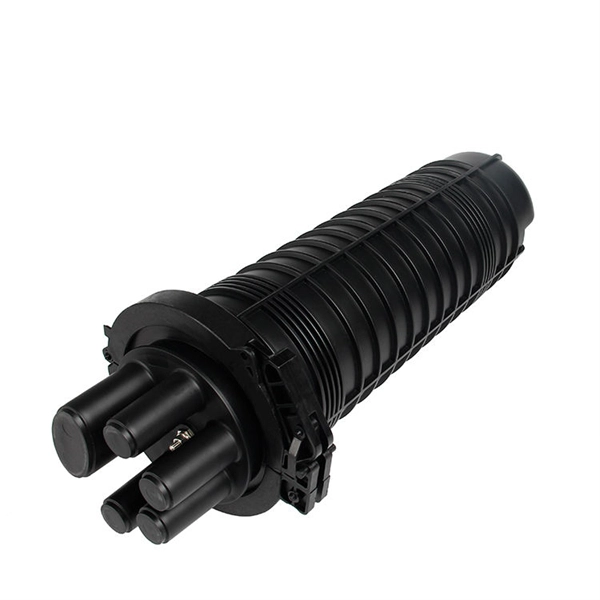
How to make repeated grounding of distribution box
Repeated grounding can be grounded directly from the neutral line or from the housing of the zeroing device. It looks like two lines, and in fact they are all together.
The Basics of Grounding and Bonding
These tables help you properly size wiring for the grounding and bonding of your electrical system. Becoming familiar with the proper use of these tables can help installers ensure proper grounding
1910.304
Over commercial areas subject to pedestrian traffic or to vehicular traffic other than truck traffic. (This category includes conditions covered under the 3.05-m (10.0-ft) category where the voltage exceeds
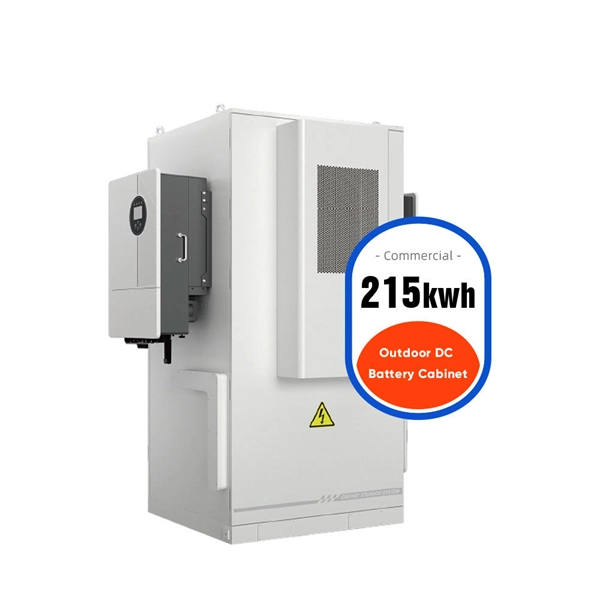
Repeated grounding
For distribution lines with a location exceeding 50 meters, the neutral line connected to the user should still be grounded repeatedly, and the repeated grounding resistance should not be greater than 10
3003.1-2019
Grounding in some form is generally recommended, although there are certain exceptions. Several methods and criteria exist for system grounding; each has its own purpose.
Electrical grounding and bonding per NEC
One common error in grounding and bonding design is the grounding of generators and whether a three- or four-pole automatic transfer switch is used with a four-wire power system.
Grounding of commercial and industrial power systems
After any major change to an electrical distribution system, every three years (maximum), or if ground-related issues are suspected, a qualified electrical contractor or professional engineer should verify
National Electrical Code 2023 Basics: Grounding and Bonding Part 1
Learn about the general requirements for grounding and bonding in line with the NEC 2023.

IEEE Recommended Practice for System Grounding of Industrial
The basic reasons for grounding or not grounding the electrical system and the various types of system grounding, as well as the practices commonly used to ground electrical systems are discussed.
Optical Power Meters & Sources
High-precision power meters (Ge/InGaAs) and stabilized light sources for insertion loss and return loss testing.
OTDR & Fiber Characterization
Full-featured OTDR, fiber OTDR testers, and modular OTDR test modules for network deployment and troubleshooting.
OSA & Eye Diagram Analyzer
High-resolution OSA for DWDM and eye diagram testers for signal integrity validation.
BERT & Endface Inspection
BERT up to 800G, fiber endface inspection probes, and extinction ratio meters for comprehensive testing.