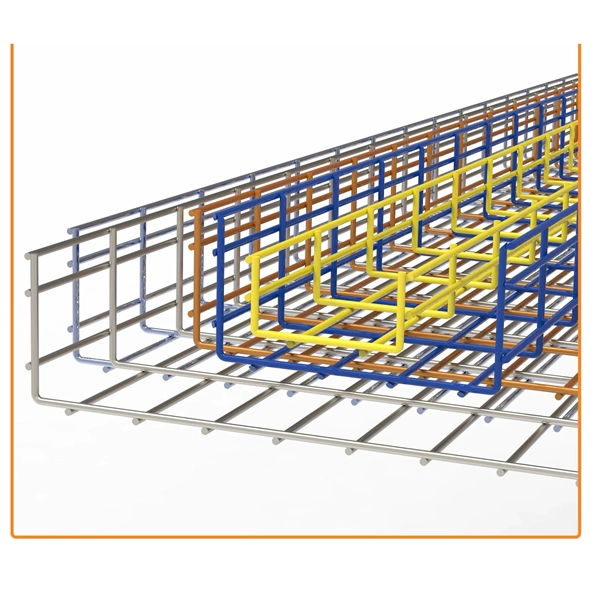
NEC Standards for Cable Trays: Grounding, Fill Capacity
Tray fill requirements are determined by several factors, including cable diameter, whether the cables are single-conductor or multi-conductor, the width and depth of the tray, and the
Stumped by the Code? NEC Rule Regarding Cable Tray Systems
Cable trays used to support service-entrance conductors must contain only service-entrance conductors unless a solid fixed barrier separates the service-entrance conductors from
NEC Questions and Answers based on 2017 NEC ®
Cable trays must be installed as a complete system, except mechanically discontinuous segments between cable tray runs, or between cable tray runs and equipment are permitted.
29 CFR 1910.305 -
Unless installed in a continuous grounded metallic raceway or metallic covered cable, each branch circuit shall contain a separate equipment grounding conductor and all receptacles shall be
NEC Article 392: Cable Tray Systems | PDF | Electrical Wiring
It provides rules for acceptable wiring methods that can be installed in cable trays, including conditions for use. It addresses uses permitted and not permitted for cable trays.
Cable Tray Systems: Requirements and Best Practices
This article explains the main requirements and good practices for cable tray systems, including tray types, materials, loading, supports, bonding, cable selection, and installation details.
Important design considerations for cable ladder and tray systems:
A question that is often asked is: does a cable ladder or tray system need to be earthed or bonded? Unfortunately, there is not a straightforward ''yes'' or ''no'' answer to this one.
1910.305
Cable assemblies and flexible cords and cables shall be supported in place at intervals that ensure that they will be protected from physical damage. Support shall be in the form of staples, cables ties,

NEC Article 392: Cable Tray Systems | PDF | Electrical
It provides rules for acceptable wiring methods that can be
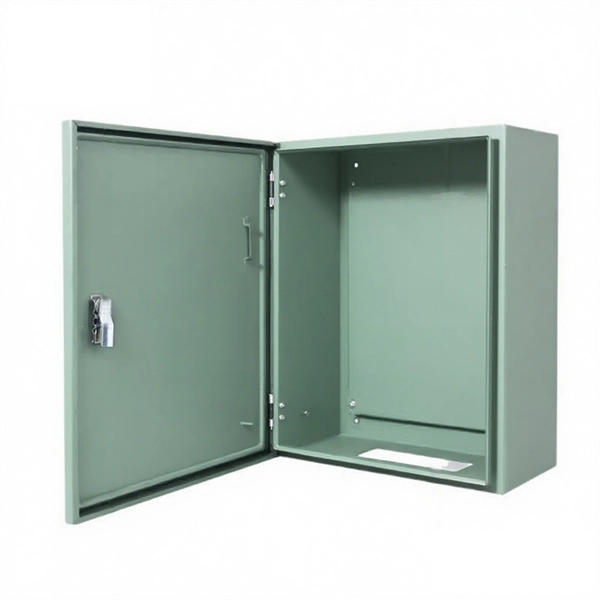
NEC Article 392 Guide: Ensuring Compliance for Cable Tray Systems
The short answer is no. Due to their exposure to the open air because of the cable trays, the wires contained within need a very durable outer covering. The regulations dictate that the cables
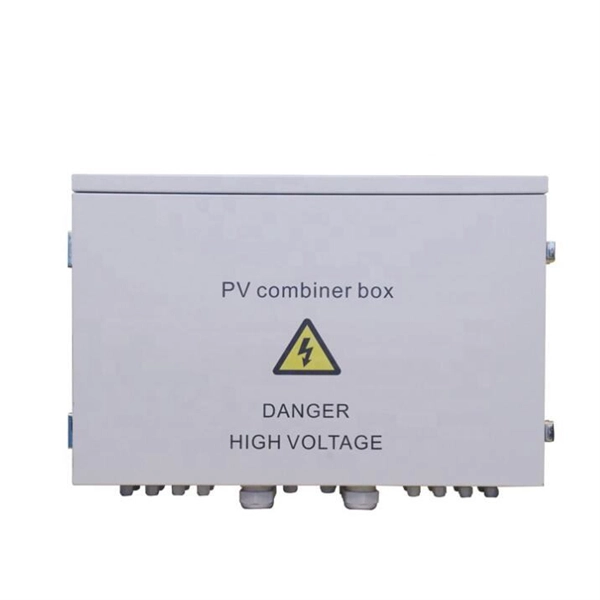
Firestopping Requirements for Cable Trays and Wall/Slab Penetrations
All gaps inside and around metal trunking must be sealed tightly and be complete both internally and externally. Cover plates should be square, of consistent suitable dimensions, painted
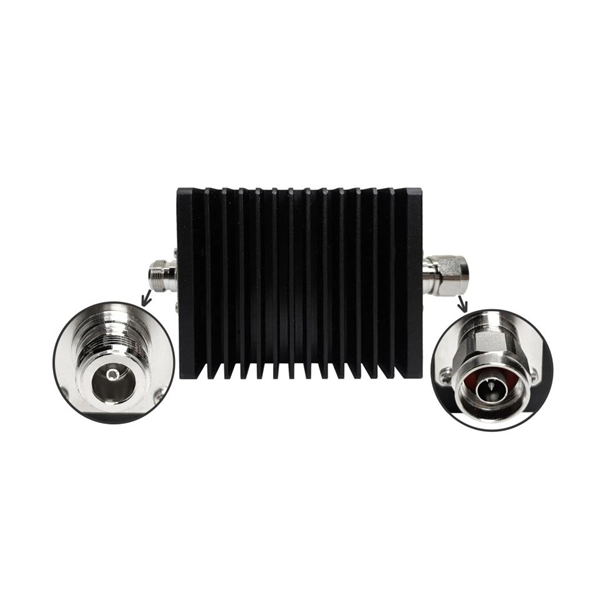
Firestopping Requirements for Cable Trays and
All gaps inside and around metal trunking must be sealed tightly and be complete both internally and externally. Cover plates should be square, of
Optical Power Meters & Sources
High-precision power meters (Ge/InGaAs) and stabilized light sources for insertion loss and return loss testing.
OTDR & Fiber Characterization
Full-featured OTDR, fiber OTDR testers, and modular OTDR test modules for network deployment and troubleshooting.
OSA & Eye Diagram Analyzer
High-resolution OSA for DWDM and eye diagram testers for signal integrity validation.
BERT & Endface Inspection
BERT up to 800G, fiber endface inspection probes, and extinction ratio meters for comprehensive testing.