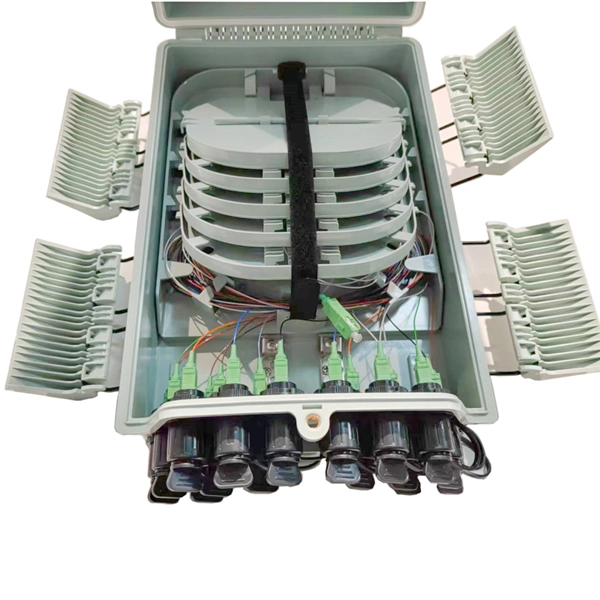
Wavelength Division Multiplexers (WDM) Information
Wavelength division multiplexers (WDM) are electronic devices that combine light signals with different wavelengths, coming from different fibers, onto a single fiber. They are a cost effective method to
Wavelength Division Multiplexers (WDM)
It is designed to maximize the capacity of fiber-optic cables by simultaneously transmitting multiple data signals on the same fiber using different light wavelengths. The
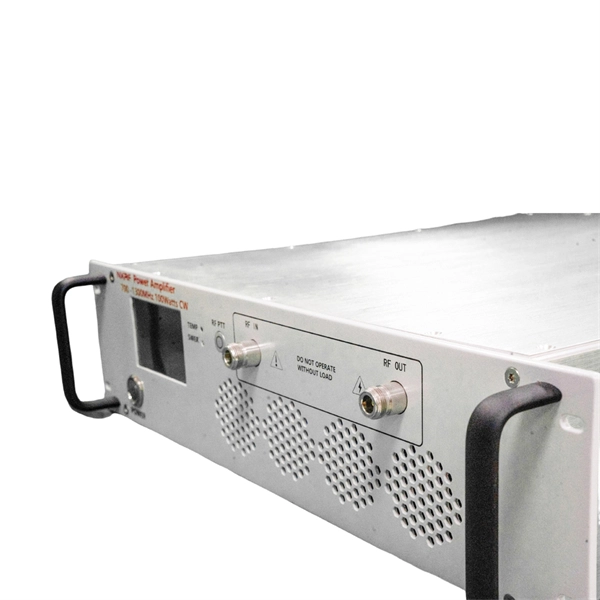
Wavelength Division Multiplexers (WDM)
Wavelength Division Multiplexing (WDM) is a technique in fiber-optic communication systems that enables multiple optical signals with different wavelengths to be combined, transmitted, and
Wavelength Division Multiplexers (WDM) Information
How Wavelength Division Multiplexing WorksTypesSpecificationsWDM ConnectorsFeaturesApplicationsWavelength division multiplexing starts with the phenomenon of light waves. Many different colors of light can be seen at the same time and the colors are transmitted together through the air. The colors may mix, but they are easily separated using a device such as a prism. Light waves can also travel through optical fiber. Many wavelengths caSee more on globalspec MEETOPTICS
Wavelength Division Multiplexers (WDM) - MEETOPTICS
Wavelength Division Multiplexing (WDM) is a technique in fiber-optic communication systems that enables multiple optical signals with different wavelengths to be combined, transmitted, and
Types of Multiplexing in Data Communications
Wavelength Division Multiplexing (WDM) is a multiplexing technology used to increase the capacity of optical fiber by transmitting multiple optical signals simultaneously over a single
Wavelength Division Multiplexing – WDM, coarse, dense, optical fiber
Wavelength division multiplexing is a technology where multiple optical signals with different wavelengths are combined for transmission through a single optical fiber and are later separated.
Unraveling the Mysteries of FDM, TDM, and WDM
CWDM and DWDM are based on the same concept of using multiple light wavelengths on a single fiber, but differ in the spacing of the wavelengths, numbers of channels, and the ability to
How Different Wavelengths are Sent in Fiber Optics & Routed by
To transmit multiple wavelengths (colors of light) over a single optical fiber and ensure routers/switches correctly interpret them, modern networks use Wavelength Division Multiplexing
Multiplexing – Definition – Types of Multiplexing: FDM, WDM, TDM
The only difference is in wavelength division multiplexing optical signals are used instead of electrical signals. In wavelength division multiplexing, optical signals are transmitted through fiber optic cables.
Wavelength-division multiplexing
WDM, CWDM and DWDM are based on the same concept of using multiple wavelengths of light on a single fiber but differ in the spacing of the wavelengths, number of channels, and the ability to amplify
Multiplexers in Optical Networks: A Technical Overview
The journey of optical multiplexing began in the 1970s with the introduction of Wavelength Division Multiplexing (WDM), which revolutionized the capacity of optical communication systems.
Optical Power Meters & Sources
High-precision power meters (Ge/InGaAs) and stabilized light sources for insertion loss and return loss testing.
OTDR & Fiber Characterization
Full-featured OTDR, fiber OTDR testers, and modular OTDR test modules for network deployment and troubleshooting.
OSA & Eye Diagram Analyzer
High-resolution OSA for DWDM and eye diagram testers for signal integrity validation.
BERT & Endface Inspection
BERT up to 800G, fiber endface inspection probes, and extinction ratio meters for comprehensive testing.