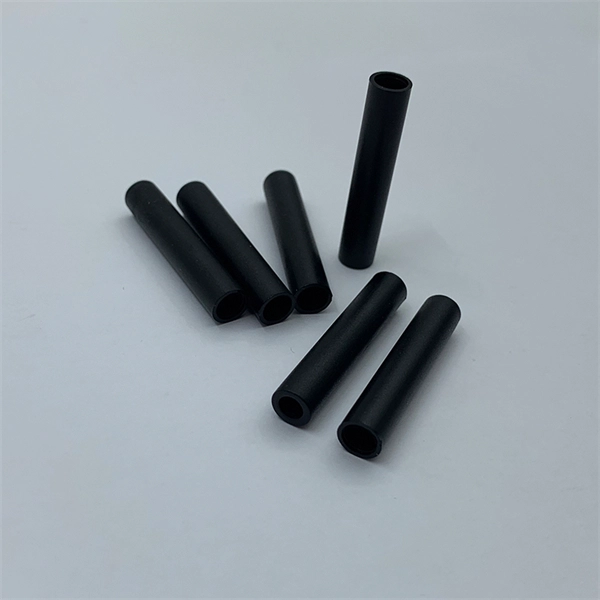
314.16(B)(6) Terminal Block Fill.
A terminal block in a box counts for a single volume allowance in accordance with Table 314.16 (B) (1). This is for each terminal block assembly based on the largest conductor terminated to the assembly.
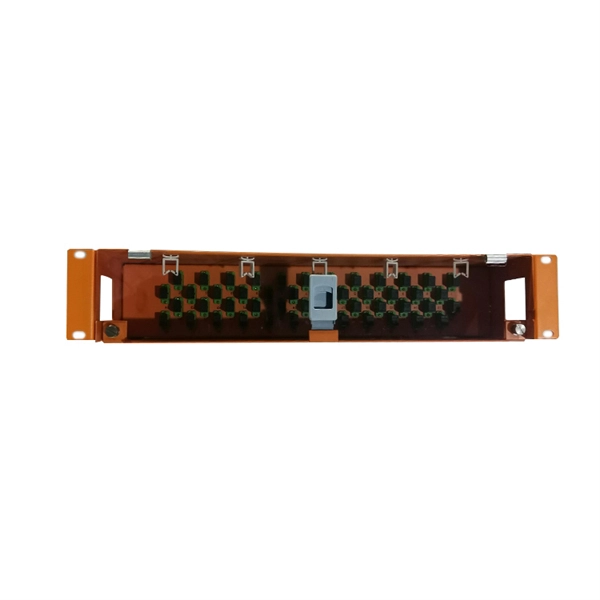
TERMINAL BOXES
12 terminals Four M25 cable gland entries available at every 90 degrees for easy connection of external CT wiring to terminal box contacts.
Choosing Between Terminal Box and Junction Box
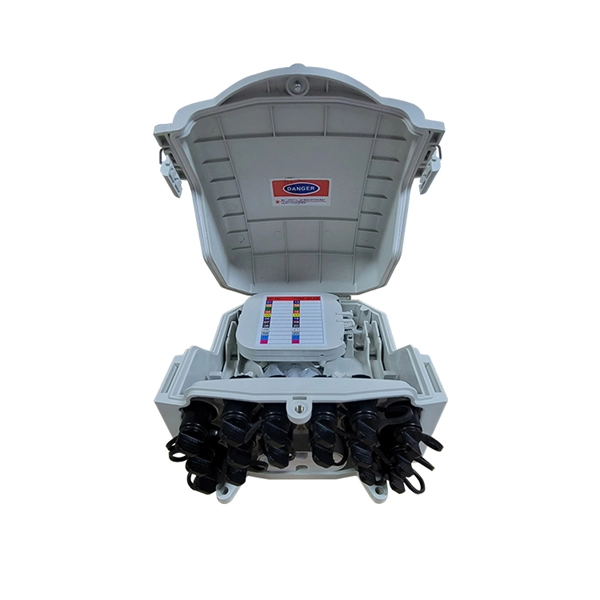
Terminal Boxes are larger and made of strong material that can keep various terminal blocks within. It also has multiple entry points to handle a large number of cables and wiring.
National Electrical Code Top Ten Tips: Article 312 and Article 314
It includes NEC Table 314.6 (A), which the minimum volume of that qualifies an enclosure to be a certain box trade size. It also shows the maximum number of conductors a given box trade size can legally
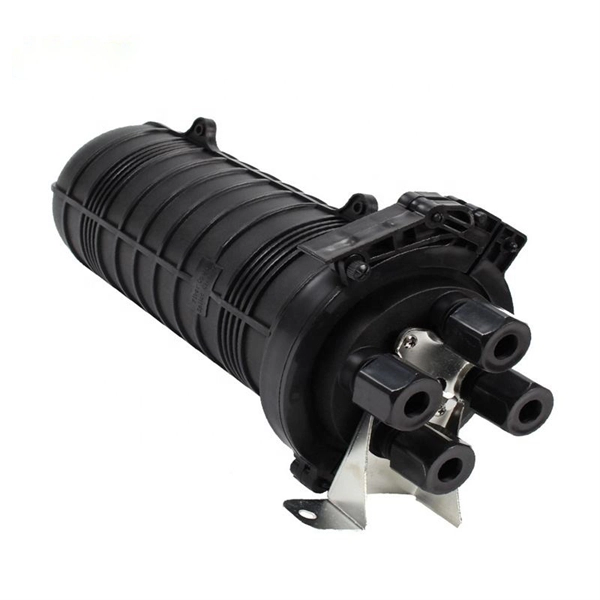
Terminal Box Vs Junction Box
Contains terminal blocks that connect two or more wires via screw terminals. Ideal for systems that require secure, structured, and maintainable connections, often in industrial control

Manufacturing Process of Electrical Terminal Boxes
Once the terminal box casing is ready, it is fitted with internal components such as terminal blocks, screws, and wiring connectors. These are carefully arranged to ensure easy access for wire

Terminal Box vs. Junction Box: The Complete Engineering Guide (2026)
Fundamental Distinction: Terminal boxes utilize structured terminal blocks for organized, accessible connections and frequent maintenance, whereas junction boxes protect permanent wire
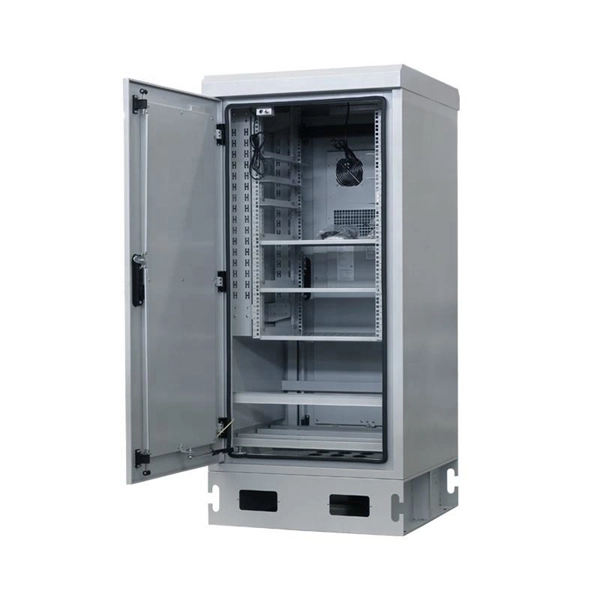
Crouse-Hinds series GHG7 Terminal Boxes catalog page
6 to max. 60 connection terminals. The optional interior coating protects your data cable connections against external radiation fields.
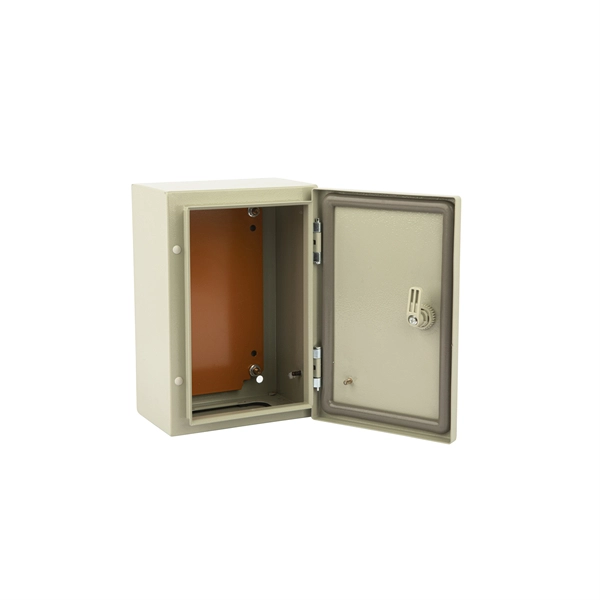
Terminal Box vs. Junction Box: The Complete
Fundamental Distinction: Terminal boxes utilize structured terminal blocks for organized, accessible connections and frequent maintenance, whereas
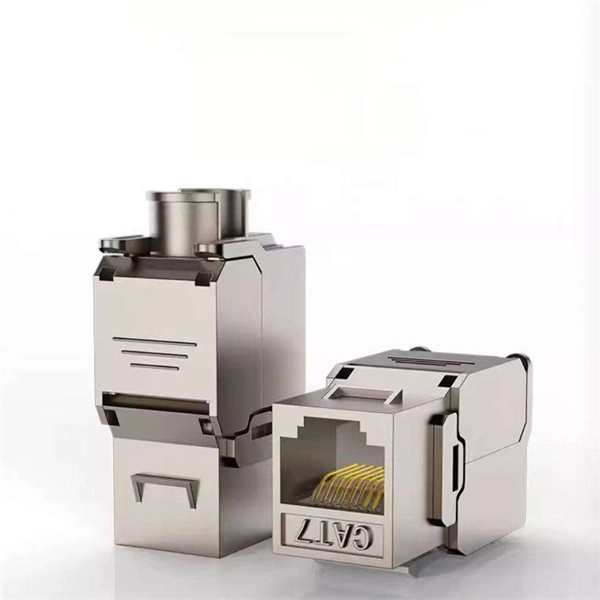
Electrical Motor Connections
The stator''s coils are connected to terminals housed within an electrical terminal box, which is typically found on the top or side of the motor. Within the terminal box, you''ll find six electrical terminals
Junction Boxes
Junction boxes have 3, 4, 5 or 6 terminals and the number required depends upon the application. One thing to watch out for with the number of terminals, is the type of terminal used.
Optical Power Meters & Sources
High-precision power meters (Ge/InGaAs) and stabilized light sources for insertion loss and return loss testing.
OTDR & Fiber Characterization
Full-featured OTDR, fiber OTDR testers, and modular OTDR test modules for network deployment and troubleshooting.
OSA & Eye Diagram Analyzer
High-resolution OSA for DWDM and eye diagram testers for signal integrity validation.
BERT & Endface Inspection
BERT up to 800G, fiber endface inspection probes, and extinction ratio meters for comprehensive testing.