
CWDM vs DWDM vs MWDM vs LWDM vs SWDM:
By comparing CWDM vs DWDM vs MWDM vs LWDM vs SWDM, you can make an informed decision to ensure your network meets your data capacity,
Wavelength Division Multiplexing – WDM, coarse,
Wavelength division multiplexing (WDM) is a technology for increasing the transmission capacity of optical fiber communications by sending multiple data
WDM vs CWDM vs DWDM Explained in Fiber Networks
Engineering explanation of WDM, CWDM, and DWDM technologies, including wavelength spacing, multiplexing mechanisms, and deployment contexts.
Wavelength-division multiplexing
OverviewSystemsCoarse WDMDense WDMEnhanced WDMShortwave WDMTransceivers versus transpondersSee also
A WDM system uses a multiplexer at the transmitter to join the several signals together and a demultiplexer at the receiver to split them apart. With the right type of fiber, it is possible to have a device that does both simultaneously and can function as an optical add-drop multiplexer. The optical filtering devices used have conventionally been etalons (stable solid-state single-frequency Fabry–Pérot interferometers in the form of
CWDM, DWDM, FWDM, MWDM, or LWDM: Which Wavelength Division Multiplexing
Each multiplexing technology, whether CWDM, DWDM, FWDM, MWDM, or LWDM, presents distinct advantages and limitations. The choice depends on factors such as distance
Difference Between FDM,TDM and WDM
Wavelength division multiplexing (WDM) is often used for multiplexing numerous optical carrier signals into a single optical fiber channel. FDM divides the bandwidth into smaller frequency

Wavelength Division Multiplexing
Wavelength Division Multiplexing (WDM) is defined as a multiplexing technology used in fiber-optic transmission to maximize transmitted bit rates, enabling long-haul data, video, and voice
WDM vs DWDM: Pros and Cons for Fiber Optic Networks
Learn how WDM and DWDM technologies increase the bandwidth of fiber optic networks by using different wavelengths of light, and what are their advantages and disadvantages.
CWDM vs DWDM vs MWDM vs LWDM vs SWDM: Choosing the Right Wavelength
By comparing CWDM vs DWDM vs MWDM vs LWDM vs SWDM, you can make an informed decision to ensure your network meets your data capacity, distance, and application
Wavelength Division Multiplexing – WDM, coarse, dense, optical fiber
Wavelength division multiplexing (WDM) is a technology for increasing the transmission capacity of optical fiber communications by sending multiple data channels simultaneously through a single fiber,
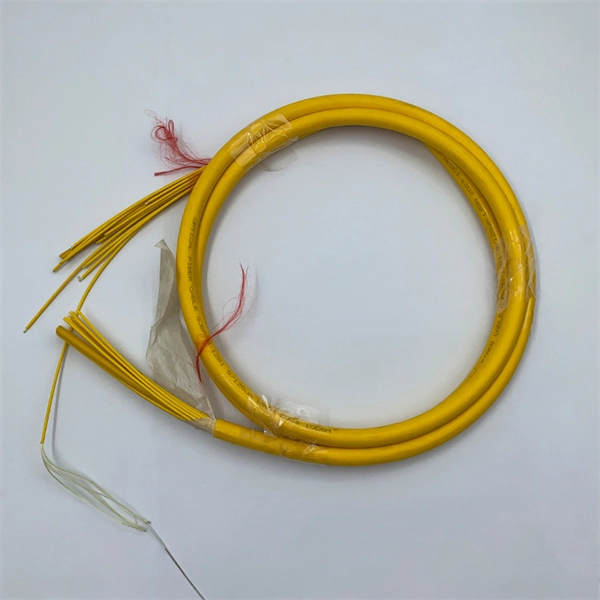
Decoding CWDM and DWDM SFP+: A Comprehensive Buying Guide
Users should select the appropriate wavelength based on their network requirements. Note that switches that do not support wavelength division multiplexing (WDM), CWDM 10G SFP+
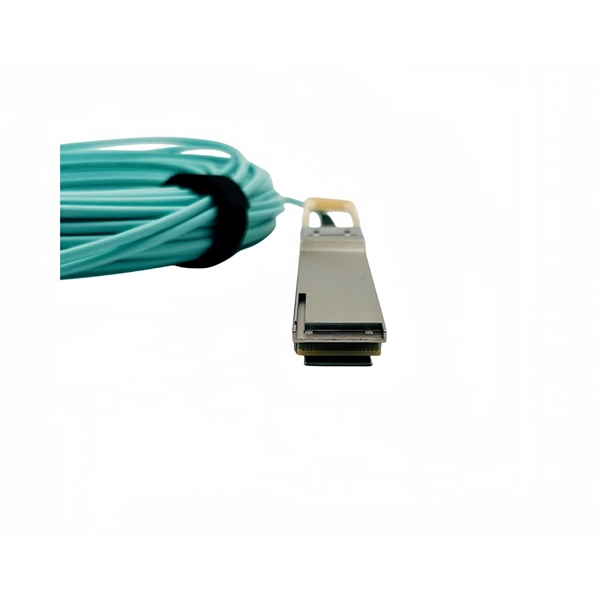
CWDM, DWDM, FWDM, MWDM, or LWDM: Which
Each multiplexing technology, whether CWDM, DWDM, FWDM, MWDM, or LWDM, presents distinct advantages and limitations. The choice
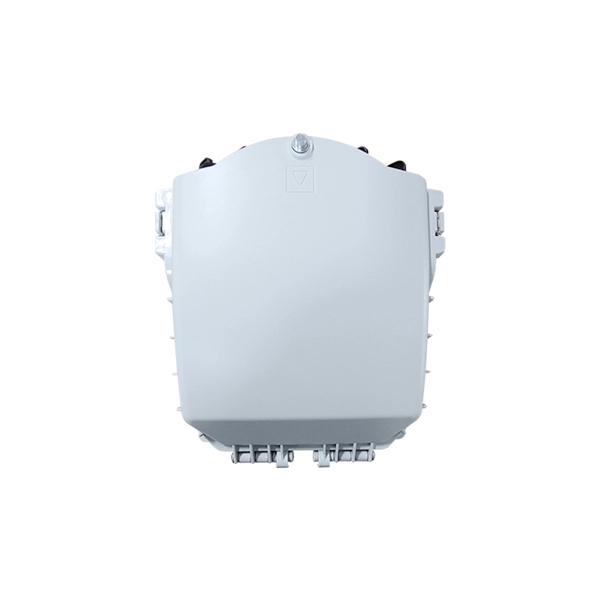
FWDM vs. CWDM vs. DWDM: A Comprehensive Comparison for
Filter Wavelength Division Multiplexing (FWDM), Coarse Wavelength Division Multiplexing (CWDM), and Dense Wavelength Division Multiplexing (DWDM) offer distinct
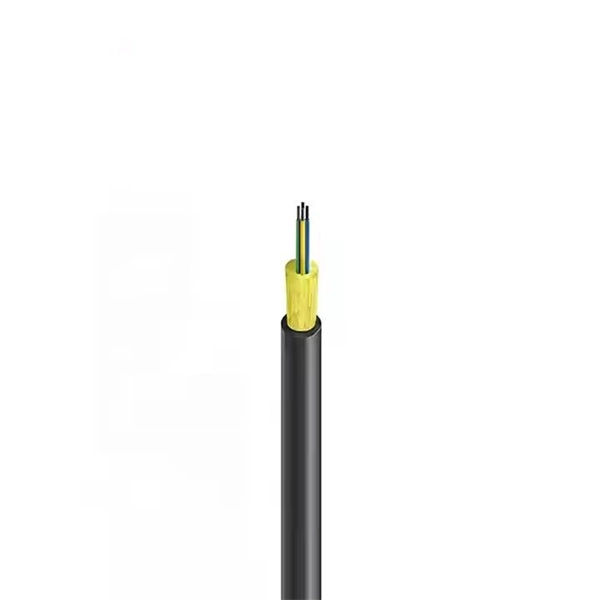
Wavelength-division multiplexing
Coarse wavelength-division multiplexing (CWDM), in contrast to DWDM, uses increased channel spacing to allow less sophisticated and thus cheaper transceiver designs.
Optical Power Meters & Sources
High-precision power meters (Ge/InGaAs) and stabilized light sources for insertion loss and return loss testing.
OTDR & Fiber Characterization
Full-featured OTDR, fiber OTDR testers, and modular OTDR test modules for network deployment and troubleshooting.
OSA & Eye Diagram Analyzer
High-resolution OSA for DWDM and eye diagram testers for signal integrity validation.
BERT & Endface Inspection
BERT up to 800G, fiber endface inspection probes, and extinction ratio meters for comprehensive testing.