Linear Drive Optics May Reduce Data Latency
As designs continue to evolve, current optical interconnects choices are now between traditional pluggables, CPOs, and linear drive pluggable optics (LPOs), which are half-way between.
LPO vs DSP Optical Transceivers: Power & Performance Guide
Compare LPO vs DSP optical transceivers. Learn power consumption, latency, reach differences & when to use each for data centers & AI clusters.
Linear Pluggable Optics consortium to define linear
These specifications target the industry-wide challenge of reducing the power, cost, and latency while improving the reliability of high-speed optical
How coherent transceivers power high-speed optical networks
Deploying coherent optical transceivers isn''t a simple matter. Because coherent optics use advanced modulation formats like QPSK and 16-QAM, along with DSP-based compensation,

Long Distance Transceiver: Types, Reach and Selection Guide
This guide provides a technically accurate and standards-aligned explanation of long distance transceivers, including reach classifications, wavelength considerations, optical link budget
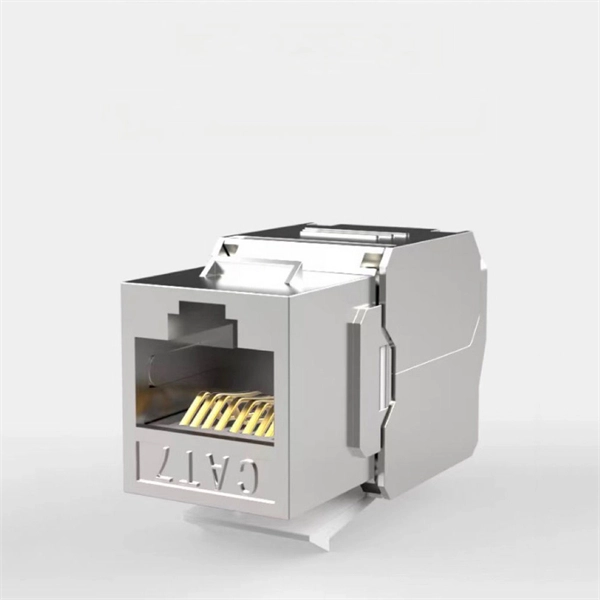
Optical Transceivers
Optical transceivers have revolutionized data transmission, providing high-speed, long-distance, and secure data transmission capabilities. Optical transceivers have enabled the development of high
Optical Interconnect Technology Analysis: LPO, NPO, CPO
Exploring optical interconnects for AI data centers: LPO for low-power, short-distance links, NPO for high-density, near-package connections, and CPO for ultra-high-bandwidth co
Linear pluggable optics for data centers
Transceiver implementers have made good progress in demonstrating technical feasibility of LPO Active optical cables and network interface cards are examples of where LPO can operate with margin LPO
LPO vs DSP Optical Transceivers: Power
Compare LPO vs DSP optical transceivers. Learn power consumption, latency, reach differences & when to use each for data centers & AI
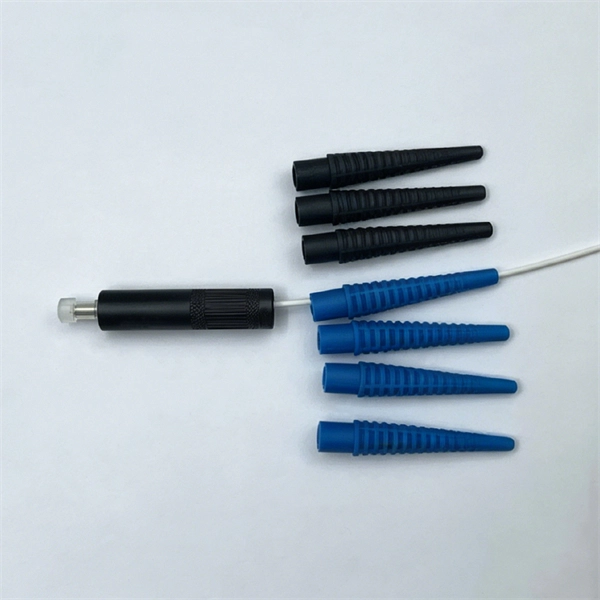
LPO Transceiver: Embracing the Future of Linear-drive Pluggable Optics
Compared with traditional transceivers, the advantages of LPO transceiver are mainly reflected in the four aspects of power consumption, cost, latency, and maintenance.
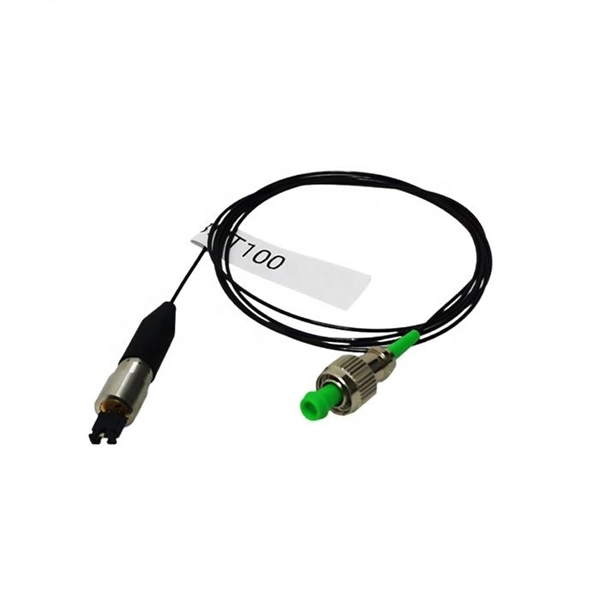
Linear Pluggable Optics consortium to define linear pluggable optics
These specifications target the industry-wide challenge of reducing the power, cost, and latency while improving the reliability of high-speed optical interconnects.
DSP or LPO? Understanding the Two Paths Shaping Next-Gen High
This article explores LPO''s operating principles, outlines key differences from DSP architectures, and discusses how to select appropriate transceiver solutions for various deployment
Optical Power Meters & Sources
High-precision power meters (Ge/InGaAs) and stabilized light sources for insertion loss and return loss testing.
OTDR & Fiber Characterization
Full-featured OTDR, fiber OTDR testers, and modular OTDR test modules for network deployment and troubleshooting.
OSA & Eye Diagram Analyzer
High-resolution OSA for DWDM and eye diagram testers for signal integrity validation.
BERT & Endface Inspection
BERT up to 800G, fiber endface inspection probes, and extinction ratio meters for comprehensive testing.