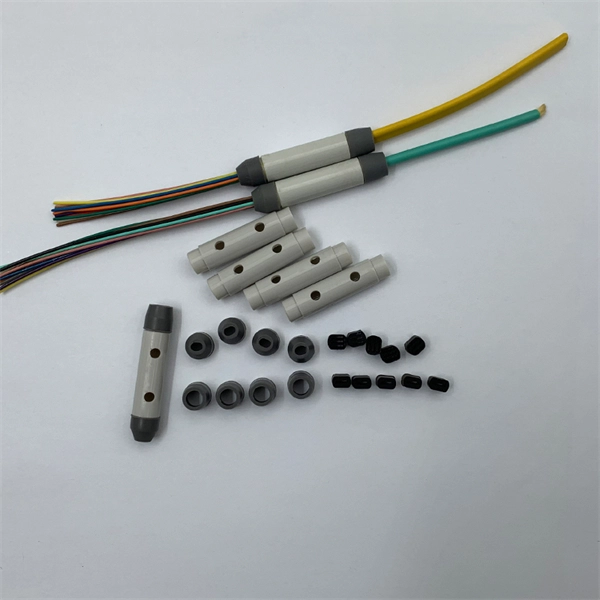
Electrical Panel Mounting Requirements (Dictated by the NEC)
The National Electrical Code provision 110.26 clarifies that electrical boxes must be supplied with at least 3 feet of free space surrounding them for safety measures.
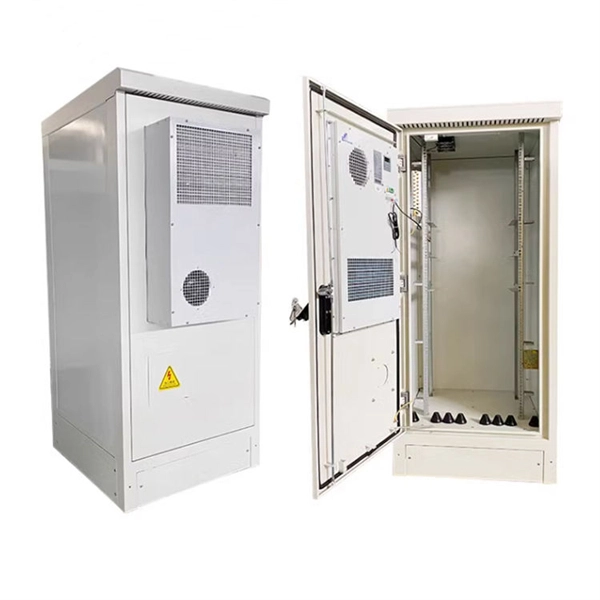
Minimum Approach Distance Chart
By defining safe distances based on phase-to-ground and phase-to-phase system voltages and considering factors like transient overvoltage, the chart helps protect workers from electrical hazards.
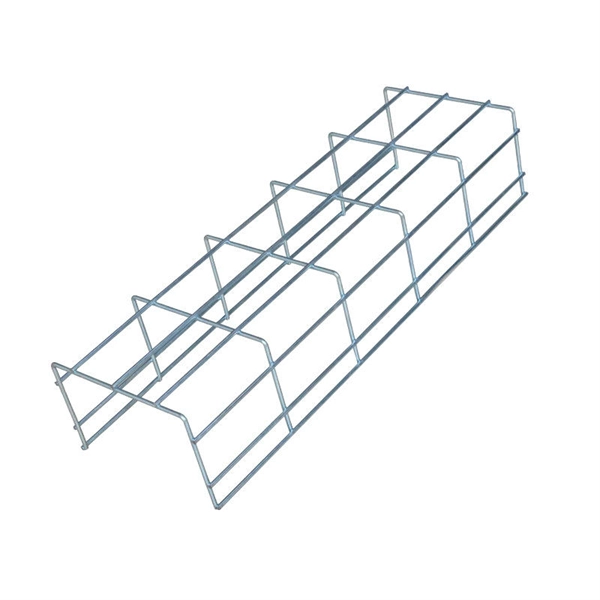
NEC 300.5: A Guide to Underground Installation Burial Depths
NEC 300.5 is an article in the National Electrical Code that addresses requirements for underground electrical installations, including minimum cover requirements—the measurement used to determine
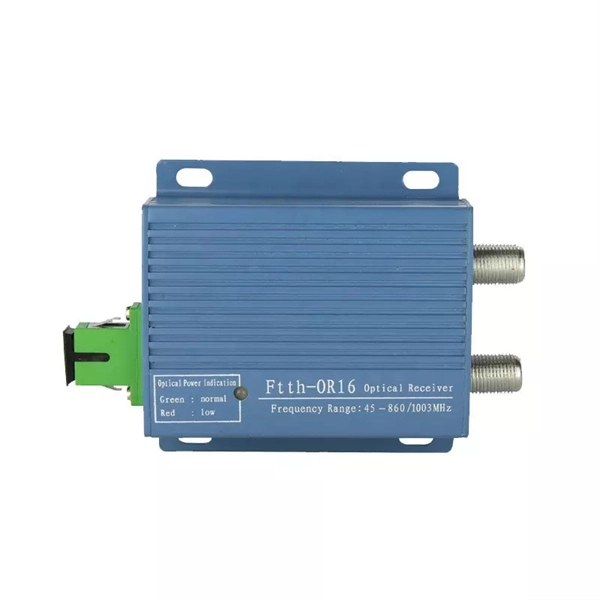
The installation requirements for the distribution box
Learn how to install a distribution box safely and correctly. Covers wiring, placement, standards, and expert tips for a compliant setup.
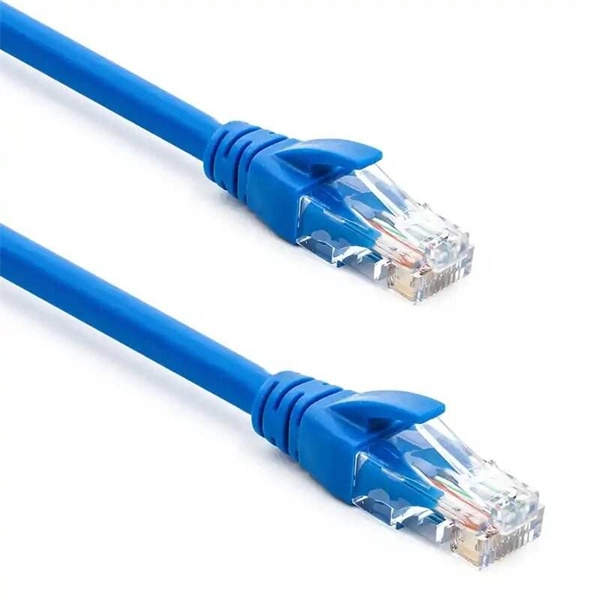
Electrical Clearances: Requirements and Safe Distances
NEC Section 110.26 spells out three dimensions for this space. The working space must extend at least 36 inches deep, measured outward from the front of the panel. That 36-inch figure applies to
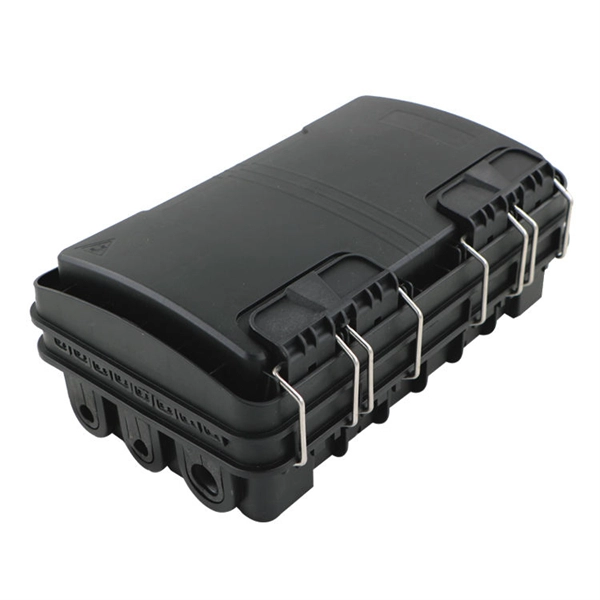
Safe Clearances for Electrical Equipment: Working Space and
In many commercial facilities, electrical equipment rooms have rows of equipment operating at more than 150 volts to the ground. The aisle (s) between pieces of such equipment, with live parts on both
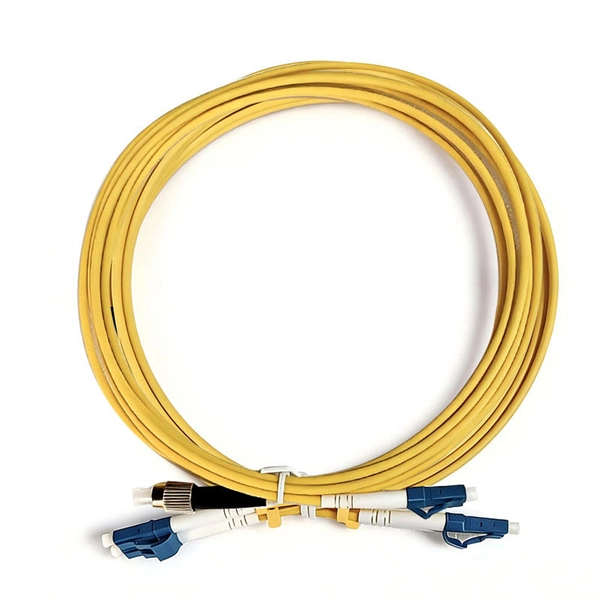
How to Install a Distribution Box—A Comprehensive Instruction
The best height for installing residential distribution boxes is 1.5 meters above the ground, while for industrial distribution boxes, the height depends on the space and the equipment

NEC Requirements for Panelboards and Load Centers
Wireway Depth: The maximum permitted distance for the through (wireway) beyond the front of panelboard is 6 inches, the trough''s depth is 12 inches and switchboard''s depth is 24 inches.
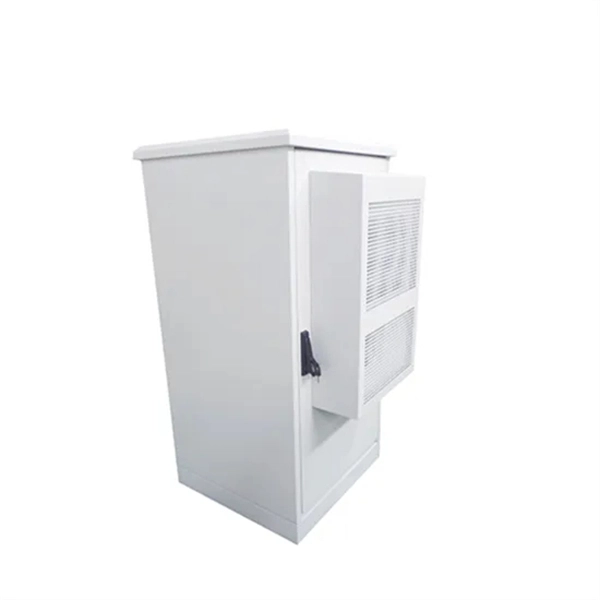
What is the Ideal Installation Height for a Distribution Box
Outdoor boxes need to be at least 3 feet above the ground. This keeps them safe from water and dirt. Ground-mounted boxes should be raised 2 to 4 inches to avoid moisture damage. These heights
Clearances and Location Requirements for Enclosures, Pads, and
a) 3-foot minimum from combustible building surfaces to the edge of the pad. b) 2-foot minimum from non-combustible building surfaces to the edge of the pad. Non-combustible materials include brick,
Optical Power Meters & Sources
High-precision power meters (Ge/InGaAs) and stabilized light sources for insertion loss and return loss testing.
OTDR & Fiber Characterization
Full-featured OTDR, fiber OTDR testers, and modular OTDR test modules for network deployment and troubleshooting.
OSA & Eye Diagram Analyzer
High-resolution OSA for DWDM and eye diagram testers for signal integrity validation.
BERT & Endface Inspection
BERT up to 800G, fiber endface inspection probes, and extinction ratio meters for comprehensive testing.